Goodbye to Cheap Fuel – Australians are bracing for a fresh cost-of-living challenge as petrol prices are expected to rise sharply from mid-February 2026. According to market forecasts, fuel costs could jump by around $0.25 per litre from 15 February, marking a clear end to the era of relatively cheap fuel. This increase is likely to affect households, commuters, and small businesses across Australia, especially those already feeling pressure from inflation. With transport costs influencing everything from groceries to services, understanding why this price hike is happening and how it may impact daily life is becoming increasingly important for Australian motorists.
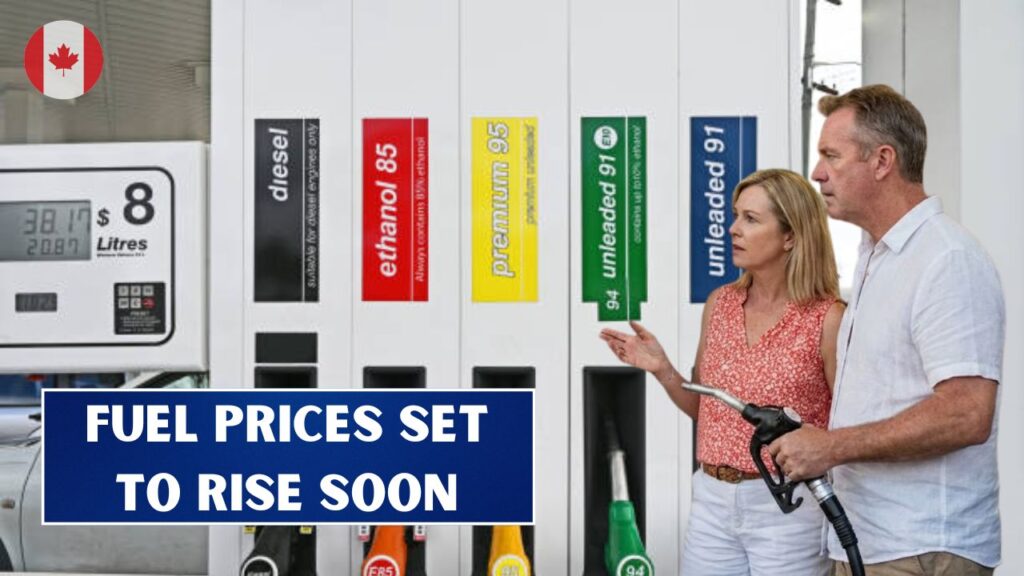
Petrol Price Increase Impact on Australian Citizens
The expected petrol price rise will have a direct and immediate impact on Australian citizens, particularly those who rely on private vehicles for work and family responsibilities. A $0.25 per litre increase may seem modest at first glance, but over weeks and months it can significantly inflate household budgets. For families in outer suburbs and regional areas of Australia, where public transport options are limited, fuel costs are a non-negotiable expense. Higher petrol prices can also indirectly raise the cost of goods, as transport and logistics expenses are often passed down to consumers. This shift highlights how fuel pricing remains a critical factor in Australia’s broader cost-of-living landscape.
Fuel Cost Surge Across Australia From February 2026
Across Australia, the fuel cost surge expected from 15 February 2026 is being linked to a combination of global oil market pressures and domestic pricing mechanisms. International crude oil volatility, refining costs, and currency movements all play a role in shaping what motorists pay at the pump. In addition, fuel excise policies and seasonal demand patterns can amplify price movements. For many Australians, this timing is particularly challenging, as it comes early in the year when budgets are still recovering from holiday expenses. Understanding these drivers can help consumers better anticipate price cycles and plan their fuel usage more strategically.
 Goodbye to Cost-of-Living Bonuses: Canadians Risk Losing Over $1,000 Support From 14 February 2026
| Detail | Current Situation | From 15 Feb 2026 |
|---|---|---|
| Average petrol price | Approx. $1.85 per litre | Approx. $2.10 per litre |
| Expected increase | — | $0.25 per litre |
| Most affected drivers | Daily commuters | Long-distance and regional drivers |
| Flow-on effect | Stable transport costs | Higher goods and service prices |
Rising Petrol Prices and Cost Pressure for Australians
Rising petrol prices are set to add another layer of cost pressure for Australians already managing higher rent, food, and energy bills. Transport is a foundational expense, meaning any sustained increase can reshape spending habits. Many people across the country may start reducing discretionary travel, consolidating errands, or reconsidering vehicle choices. For small businesses that depend on deliveries or mobile services, fuel hikes can squeeze profit margins unless prices are adjusted. This situation underscores how fuel prices are not just a transport issue, but a broader economic concern that affects employment, consumer confidence, and everyday decision-making throughout Australia.
How the Australian Market May Respond to Higher Fuel Costs
The Australian market often adapts quickly to fuel price changes, with both consumers and businesses seeking ways to reduce exposure to higher costs. In response to rising petrol prices, Australians may increasingly turn to fuel price comparison apps, flexible work arrangements, or more fuel-efficient driving habits. On a broader scale, higher prices can accelerate interest in hybrid and electric vehicles, as well as public transport investment. Policymakers in Australia may also face renewed pressure to review fuel excise settings or provide targeted relief for vulnerable groups, especially if elevated petrol prices persist for an extended period.
Frequently Asked Questions (FAQs)

1. When will the petrol price increase start in Australia?
The expected increase is forecast to take effect from 15 February 2026.
2. How much are petrol prices expected to rise?
Prices are projected to rise by approximately $0.25 per litre.
3. Who will be most affected by higher fuel prices?
Daily commuters, regional drivers, and small businesses reliant on transport will feel the impact most.
4. Are petrol prices likely to come down again?
Fuel prices can fluctuate, but any reduction will depend on global oil markets and domestic pricing factors.