From 15 February 2026 Australia will introduce tougher license renewal requirements for drivers who are 70 years old or above. The new rules are designed to make roads safer by checking that older drivers meet the health requirements needed for safe driving. As the population gets older the government has brought in this reform to lower road risks linked to health issues such as reduced reaction times and poor eyesight. Older drivers should understand these new regulations to prevent any problems with their driving licenses and to keep their ability to drive independently.
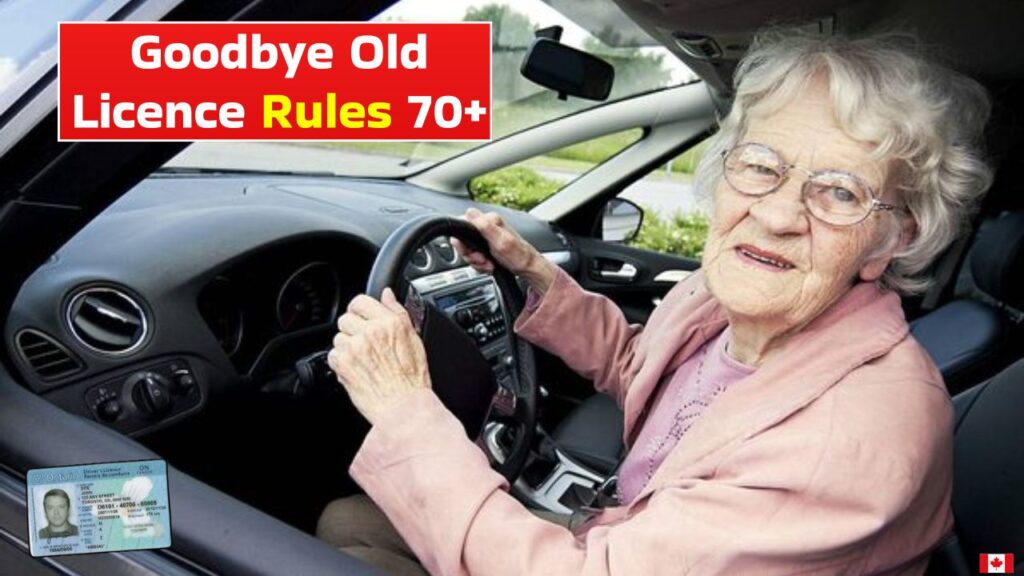
New Licence Renewal Requirements for Drivers Over 70
From February 2026, Australian drivers aged 70 and above will face more stringent renewal criteria to keep their licenses. Previously, seniors could renew their driving license for a longer period, but now, the renewal process will require more frequent health checks and medical assessments. These updates aim to assess a driver’s ability to safely operate a vehicle. Vision tests, as well as other health evaluations, will become mandatory to ensure that senior drivers can continue driving without putting themselves or others at risk. The government is rolling out these measures to increase road safety among older Australians.
Mandatory Health Assessments for Senior Drivers
Health assessments are now a key component of the licence renewal process for senior drivers. From 15 February 2026, drivers aged 70 and older will need to undergo annual health checks with a qualified doctor. These assessments will focus on issues like vision impairment, cognitive decline, and overall fitness to drive. It’s crucial for senior drivers to prepare for these checks by keeping their health in top condition. The introduction of these measures aims to detect health issues early, preventing accidents that could arise from physical or mental impairments that may affect driving ability.
Impact on Independent Living for Seniors
The updated licence renewal rules are designed to make roads safer but they might affect how older Australians live independently. Many elderly people depend on their cars to stay independent particularly in country towns and remote areas where buses and trains are scarce. The new requirements could create problems for those who cannot pass the medical tests or cannot pay for the necessary health assessments. The government has proposed other options including better transport services and local community programs to help seniors stay mobile while keeping roads safe.
Summary and Analysis
The new senior driver rules starting in February 2026 aim to balance road safety with the independence of older Australians. The more frequent health assessments & stricter renewal conditions may be inconvenient for some drivers but they are necessary to ensure people are fit to drive. Seniors who depend on their cars for daily activities should stay informed about these changes & get advice on meeting the new requirements. These measures are designed to protect both seniors & the general public from potential accidents caused by health-related driving problems.
| Age Group | Renewal Period | Required Health Checks | Impact |
|---|---|---|---|
| 70-74 | Every 2 years | Vision & Cognitive Tests | Increased health assessments |
| 75-79 | Every 1 year | Annual Doctor Check | More frequent evaluations |
| 80+ | Every 6 months | Thorough Medical Examination | Closer scrutiny of fitness to drive |
Frequently Asked Questions (FAQs)
1. What is the eligibility for senior drivers?
Drivers who are 70 years old or older must now satisfy particular health requirements when they renew their licences according to the updated regulations. The new rules establish clear medical standards that senior drivers need to meet before they can continue driving legally. These requirements are designed to ensure that older motorists remain physically and mentally capable of operating vehicles safely on public roads. When drivers reach the age of 70 they must undergo an assessment process that evaluates their fitness to drive. This process examines various aspects of their health that directly affect driving ability. The authorities have introduced these measures to reduce accident risks while still allowing capable seniors to maintain their independence and mobility. The health criteria focus on essential functions needed for safe driving. Vision standards require drivers to demonstrate adequate eyesight for reading road signs & spotting hazards. Cognitive abilities are also evaluated to confirm that drivers can make quick decisions and respond appropriately to changing traffic conditions. Physical fitness forms another important component of the assessment. Drivers must show they have sufficient strength and coordination to control their vehicles effectively. This includes the ability to turn the steering wheel and operate pedals without difficulty. Medical professionals conduct these evaluations using standardized testing procedures. Doctors review the driver’s medical history and may request additional examinations if they identify potential concerns. The goal is to make fair decisions based on actual driving capability rather than age alone. Drivers who successfully meet all the health criteria receive their renewed licences without restrictions. Those who fall short of certain standards may receive conditional licences with specific limitations. In some cases drivers might need to use vehicles with special adaptations or restrict their driving to certain times or locations. The renewal process happens at regular intervals after drivers turn 70. This ongoing monitoring helps identify any health changes that could affect driving safety over time. Early detection of problems allows for timely interventions that can help seniors continue driving longer with appropriate support.

2. How often will health checks be required?
Health checks will be required once a year for drivers who are between 75 and 79 years old. Drivers who are 80 years old or older will need to complete these checks twice a year.
3. Can senior drivers get exemptions?
Drivers might not have to follow these rules in some situations. However they must show medical proof to be eligible for an exemption.
4. How do the new rules affect drivers in rural areas?
Seniors in rural areas may face challenges due to fewer healthcare facilities, but alternatives like community transport may be provided.